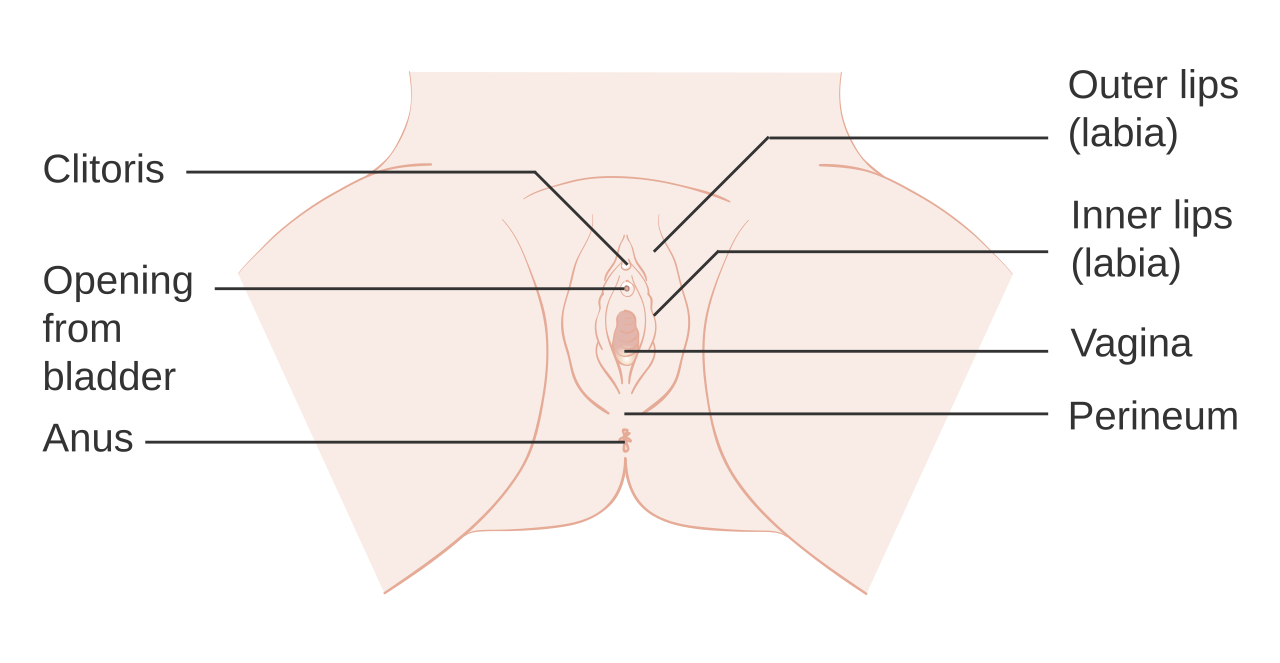
Treatment is tailored to your anatomy, symptoms and personal goals. Surgical and non-surgical options may be discussed following a specialist assessment.
Labiaplasty
Labiaplasty reduces or reshapes the labia minora. It may be considered for persistent tugging, twisting, itching or irritation during activities such as cycling or intercourse, for asymmetry, or because of concerns about appearance.
Anaesthesia and setting
It is usually performed as a day-case procedure. Depending on the treatment plan and whether another procedure is combined, local anaesthesia with sedation or general anaesthesia may be used.
Core techniques
- Trim or edge resection: excess tissue is removed along the outer edge and the edges are closed directly.
- Wedge resection: a V-shaped section is removed while preserving the natural labial border.
- Absorbable sutures are normally used. Clitoral-hood folds may also be addressed when appropriate and agreed in advance.
Recovery
Many patients plan approximately one week away from work, although recovery varies. Cold packs used intermittently over clothing and elevation can help with early swelling. Tampons, intercourse, cycling and strenuous exercise are generally avoided for four to six weeks, or until your surgeon confirms healing.
Most obvious swelling often settles within six weeks, but smaller amounts can persist for several months.
Expected outcome
The aim is an agreed reduction that relieves functional symptoms and produces a balanced result while preserving adequate tissue. Published series often report satisfaction above 90%, but study quality varies and no individual result can be guaranteed.
Risks and limitations
Possible complications include bleeding, haematoma, infection, wound-healing problems, asymmetry, scarring, altered sensation, painful intercourse, under-correction, over-resection and the need for revision surgery.
Patient-information sources: American Society of Plastic Surgeons and American College of Obstetricians and Gynecologists.
Clitoral Hood Reduction
This procedure reduces selected excess folds of the clitoral hood, or prepuce. The hood normally covers and protects the sensitive clitoris, and there is wide natural variation in its size and appearance.
Why it may be considered
Some patients seek treatment for irritation from clothing or physical activity. It may also be discussed alongside labiaplasty when reducing the labia minora would otherwise leave the upper vulva looking out of balance.
Anaesthesia and procedure
Clitoral hood reduction is commonly carried out with labiaplasty under local anaesthesia with sedation or general anaesthesia. Tissue removal is planned around each patient’s anatomy, taking care to protect the clitoris and its nerves, and the skin is closed with absorbable sutures.
Recovery
When combined with labiaplasty, that procedure usually determines the recovery. Swelling, tenderness and temporary activity restrictions are expected. Loose clothing can reduce irritation, and sexual activity and tampon use are generally avoided for four to six weeks or until cleared.
Expected outcome
The aim is to reduce unwanted prominence or friction while retaining the hood’s protective function. The procedure is not intended to fully expose the clitoris, and increased sexual sensitivity cannot be promised.
Risks and limitations
Risks include bleeding, haematoma, infection, scarring, nerve injury, altered sensation, pain, under-resection and over-resection. Removing too much tissue may cause persistent sensitivity or pain and can be difficult to correct.
Patient-information sources: American Society of Plastic Surgeons and Cleveland Clinic.
Labia Majora Augmentation or Reduction
The labia majora are the outer lips of the vulva. Augmentation restores volume where the tissue has become less full; reduction, or labia majoraplasty, removes selected excess skin or tissue when the outer lips are enlarged or hanging.
Augmentation options
- Autologous fat grafting: fat is taken from another part of the body, processed and carefully injected into the labia majora.
- Hyaluronic-acid filler: a non-surgical option used in selected patients. A 2017 review reported total volumes of 2–6 mL per session, but the appropriate amount is individual.
- Dermal-fat grafts or surgical flaps: less commonly used and generally reserved for more complex laxity or reconstruction.
Reduction
When excess skin or bulk is the concern, carefully planned sections of tissue may be removed from the inner aspect of each labium. The amount removed depends on the anatomy and agreed goal, and absorbable sutures are normally used.
Recovery
After fat grafting, swelling and bruising can affect both the vulva and the donor area. The final retained volume can only be judged after swelling settles and fat resorption stabilises. Recovery after surgical reduction often includes about a week away from work and avoiding tampons or intercourse for four to six weeks, subject to individual advice.
Evidence and durability
An early systematic review found encouraging satisfaction across small studies, but only two of the nine included studies were prospective and there was no standardised approach. Fillers are temporary, while some transferred fat may be reabsorbed and a repeat treatment may be needed.
Risks and limitations
Possible problems include swelling, bruising, infection, haematoma, asymmetry, nodules, scarring, altered sensation, under- or over-correction and revision surgery. In one small 2026 series of fat grafting performed with body-contouring operations, two patients required revision after more than half of the grafted volume was reabsorbed; this is a cautionary finding, not a general complication rate.
Sources: American Society of Plastic Surgeons, 2017 systematic review and 2026 fat-grafting series.
Vaginoplasty or Perineoplasty
These are related but distinct operations. Vaginoplasty works within the vaginal canal, while perineoplasty repairs or strengthens the perineum and tissues at the vaginal opening. Either may be considered for selected functional concerns, scarring or tissue changes after childbirth.
Anaesthesia and procedure
Local or general anaesthesia may be used depending on the extent of surgery. Vaginoplasty brings separated supporting tissues together and removes selected excess vaginal lining. Perineoplasty removes excess or scarred tissue and repairs the deeper muscles around the perineum and vaginal opening.
Recovery
Recovery depends on the operation and any combined procedures. One to two weeks of initial downtime is common after vaginoplasty, while complete healing after perineoplasty may take six to eight weeks. Heavy activity is restricted, and tampons, menstrual cups and intercourse are generally avoided for at least six weeks—sometimes longer—until healing is confirmed.
Expected outcome
The aim is to restore support, repair damaged tissue and, where appropriate, reduce the width of the vaginal opening or canal. Pelvic-floor physiotherapy or other non-surgical care may be preferable when muscle weakness is the main concern.
Evidence and expectations
Evidence for purely cosmetic vaginal procedures remains limited. Although some patients report functional or sexual benefits, improvement in sensation or sexual satisfaction cannot be guaranteed.
Risks and limitations
Risks include bleeding, infection, pain, scarring or adhesions, altered sensation, painful intercourse, excessive tightness, an unsatisfactory result and the need for further surgery.
Patient-information sources: Cleveland Clinic perineoplasty guidance, American Society of Plastic Surgeons and ACOG clinical guidance.
Not every procedure is suitable for every patient. Benefits, limitations, possible risks and non-surgical alternatives will be discussed during consultation; changes in sexual sensation cannot be guaranteed.